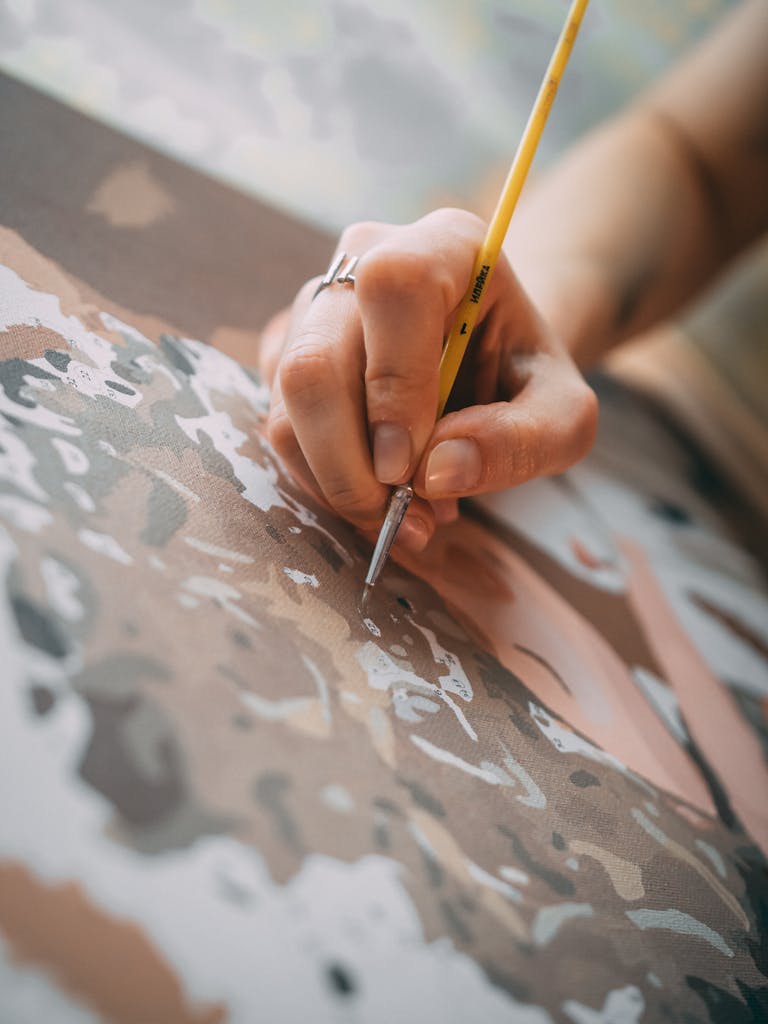
The True Cost of Oil vs Acrylic Painting: Complete Price Comparison Guide
Painting is an adventure; choosing your medium is like picking your travel companion. Oil and acrylic paints each have their own personality – and price tag. Famous artists like Pollock and Warhol switched mediums for art and money.
Diving into painting doesn’t have to cost a fortune. Most beginners spend around $100-$500 to start their artistic journey. Acrylics are your budget-friendly superhero. They dry fast, need fewer supplies, and won’t empty your wallet. Oils offer rich, lasting colors but cost more.
Want to save money and learn? Acrylics are your perfect partner. They’re forgiving, quick to dry, and ideal for beginners. Your art journey isn’t about spending big – it’s about creating something that makes your heart sing.
Your art journey isn’t about how much you spend – it’s about the stories you’ll create. Pick a medium that makes your heart sing, not your wallet cry.
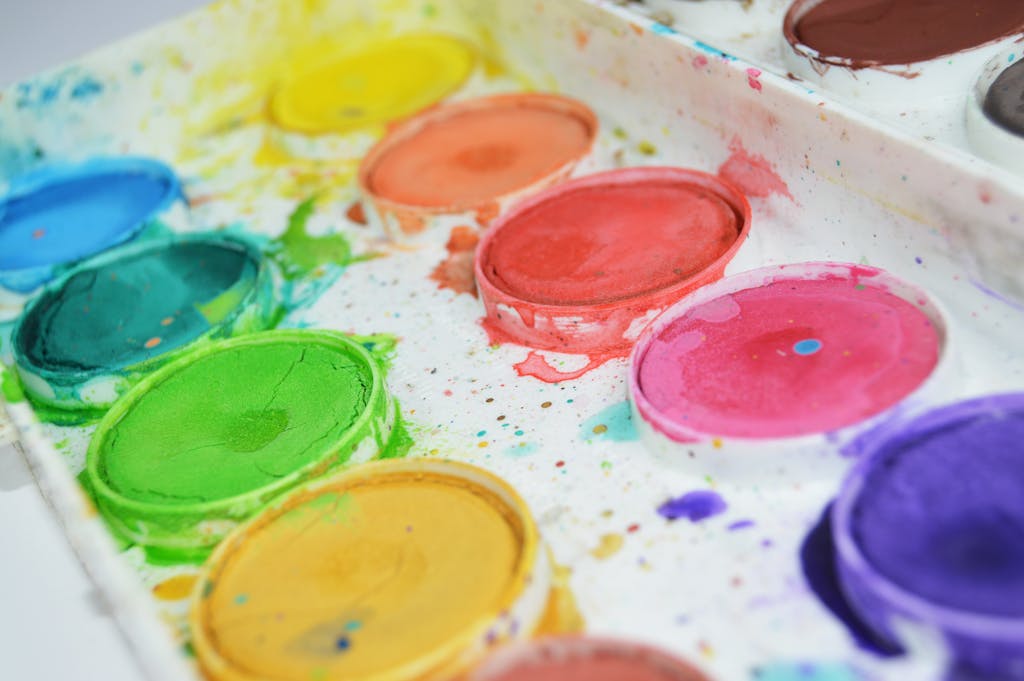
Understanding Initial Investment Costs
Starting an art journey doesn’t have to cost a fortune. I learned this the hard way after spending nearly $300 on supplies I didn’t need! Here’s the real scoop: acrylics are your budget-friendly friend. A starter paint set costs about $25-30. Brushes?
Just $15-20 for a basic set. Canvas boards are cheap – around $2-3 each. What is your total startup cost? About $80-100. Oil painting costs more, around $160-200. But here’s the most important tip: start small. You don’t need every fancy tool in the art store.
Pick a few basic supplies. Learn. Experiment. Your creativity matters more than expensive equipment. Some of the most fantastic art starts with simple tools and a big imagination. Your artistic journey isn’t about how much you spend – it’s about the stories you’ll create. So grab those brushes and start painting your dreams!
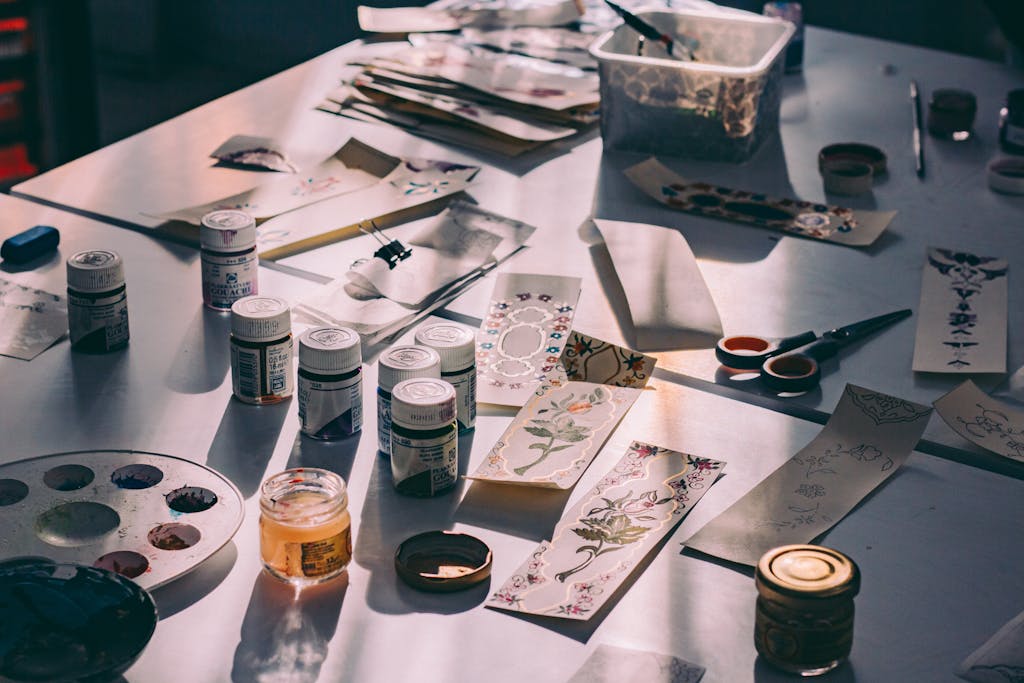
Monthly Supply Costs Compared
Paint can eat up your budget faster than you think! A typical 200ml tube of student paint costs about $12-$18 and lasts 2-3 months. Here’s a money-saving secret: oils might cost more upfront, but they go further. Brushes need replacing too – acrylics every 3-4 months, oils every 6-8 months.
Painting doesn’t have to cost a fortune. Monthly supplies run about $35-$55, depending on your medium. The real secret? Care for your tools. Clean those brushes. Buy in bulk when you can. One clever trick can slice your expenses in half. Tracking paint usage might sound boring, but your wallet will thank you. Painting isn’t about how much you spend – it’s about creating something that makes your heart sing. Your art journey is about passion, not price tags. So grab those brushes and make something beautiful!
Hidden Expenses and Maintenance Costs
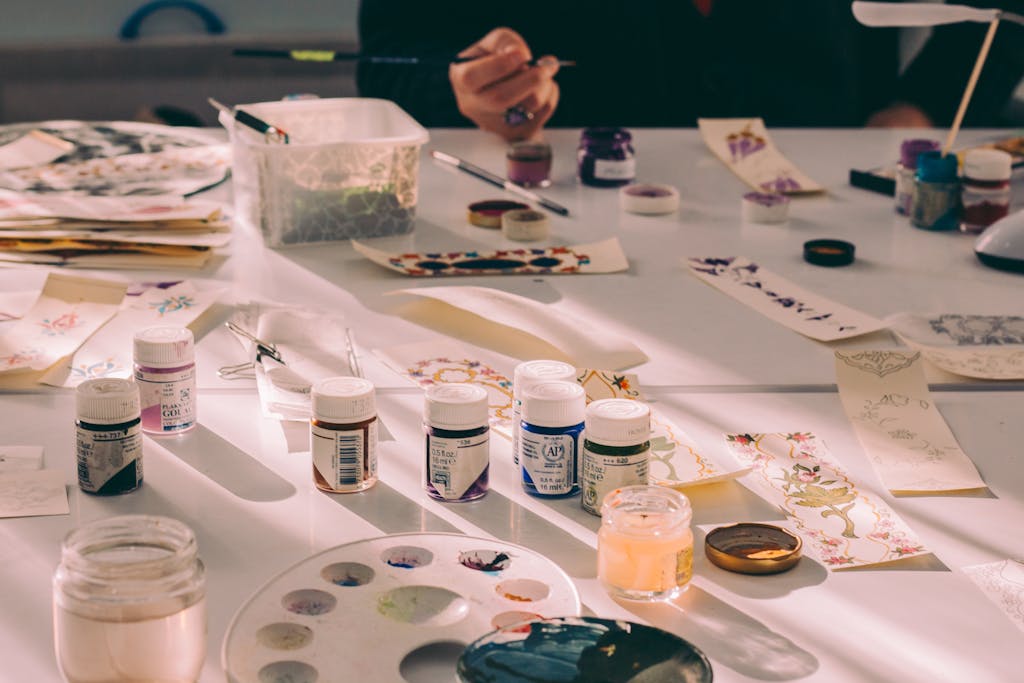
Painting has surprise expenses nobody warns you about. A basic studio setup can cost more than you’d expect. Ventilation? That’ll run $150-200 for a decent air purifier. Storage solutions can eat up $50-100. Safety gear like gloves and masks?
Another $50-70. Climate control might mean a small AC unit to protect your precious supplies. Brush maintenance adds up, too – quality soap, shapers, and drying racks aren’t cheap. One big tip: set aside about 20% of your supply budget for these sneaky hidden costs. The most important thing?
Don’t let expenses stop your creativity. Start small. Learn. Improvise. Your art journey isn’t about how much you spend – it’s about the stories you’ll create. Every great artist started with just a few basic supplies and a lot of passion. Your canvas is waiting. Your imagination is the real treasure.
Cost-Saving Strategies for Each Medium
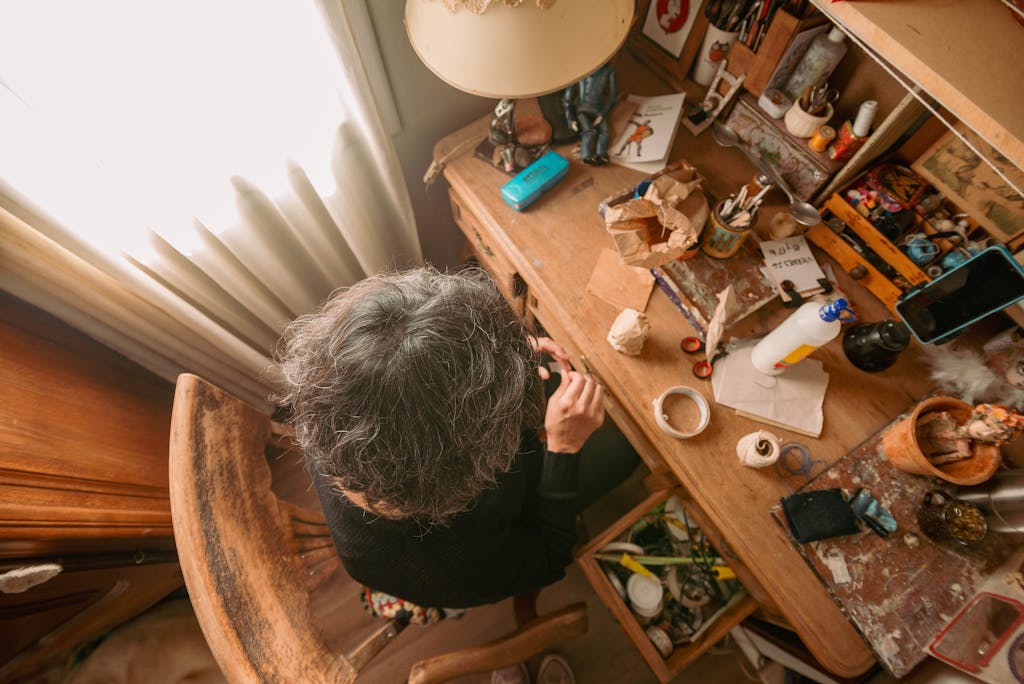
Listen up, artists – saving money isn’t about being cheap; it’s about being smart! Bulk buying can be your secret weapon. For oils, grab large bottles of linseed oil and mineral spirits.
Acrylics? Buy gesso and basic colors in big containers. Here’s a wild tip: your kitchen is full of art tools. Old credit cards make great palette knives. Ceramic tiles work as palettes. Fabric store canvas is way cheaper than art store brands. Protect your supplies – store paint tubes upside down, and use spray bottles to keep acrylics moist.
Student-grade paints work great for underpainting. Want a pro hack? Hair conditioner cleans brushes just as well as fancy soap. The most important rule? Creativity doesn’t cost money. Your imagination is the real treasure. Some of the best art comes from working with what you have. So stop worrying about expensive supplies and start creating something amazing!
Long-Term Value Analysis
Painting is more than just colors on canvas – it’s about creating something that can last generations. Oil paintings are the time travelers of the art world. I once restored a 15-year-old oil painting that looked almost brand new.
Acrylics? They change faster, typically lasting 50-100 years before showing major shifts. Here’s a shocking truth: how you create your art matters more than you might think. Professional-grade oil paintings can be worth 40% more than similar acrylic works. Why? Because they’re easier to restore and last longer. Environmental impact matters, too. Oils use more toxic materials but create less waste over time.
Paint is more than just colors on canvas – it’s a story waiting to be told. Acrylics might seem easy, but they create more waste. The real magic? Quality matters more than the type of paint. Invest in good materials that will last. Document your process. Treat your art like a treasure. Every brushstroke is a piece of your story, waiting to speak to future generations. Create with passion. Choose wisely. Your art is a legacy that will live long after you.
Final Thoughts
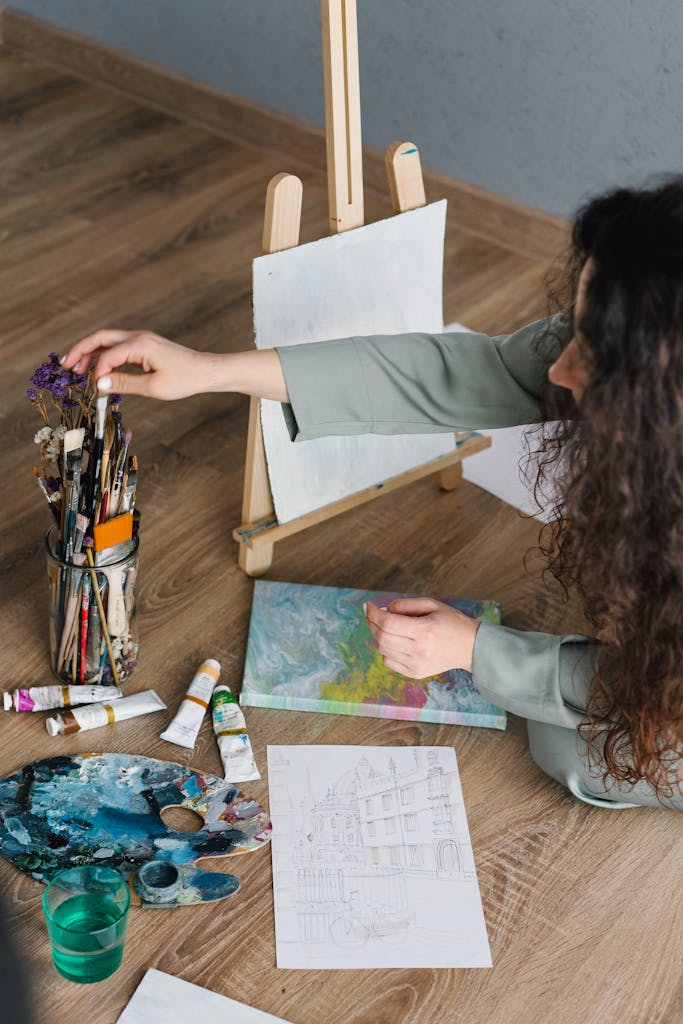
Choosing your art medium is like picking a travel companion. Acrylics are cheaper initially, but oils can be a better long-term investment. Start small with a student-grade set to find what feels right. Remember, your passion for creating matters more than the price of your supplies. Great art often comes from those who prioritize expression over expense. So grab your brushes and start creating!
By Antonio Limongi MA EdS
Limongi, Owner of Antonio Limongi Fine Art LLC, is a Master Painter, Portrait Artist, and Art Instructor with 20 years of experience. He reports on issues in Fine Art Education, Creating Art, Investing in Art, and Selling Fine Art. (Some Links are Affiliate Partners)