Best Affordable Acrylic Paint Brands 2025: A Complete Buyer’s Guide
Best Affordable Acrylic Paint Brands
Let me help you find excellent paint without spending too much money. I’ve tried many paints and found some excellent ones that cost nothing. Want to know something cool? You can get excellent acrylic paint without emptying your wallet. Some cheaper brands work just as well as the expensive ones. In fact, many artists love them!
The painted world is getting bigger every year. More people are painting now than ever before. This means companies are making better paints at lower prices. That’s great news for artists like you!
I’ve tested many paints myself. I painted with them, mixed colors, and even left them out to see how long they lasted. I want to help you find paints that make you happy without worrying about the cost.
Understanding Acrylic Paint Quality Tiers
Here’s my story about paint – the good and cheaper stuff.
When I started teaching art, my students always asked why some paints cost so much more than others. I used to think all paints were the same. Was I ever wrong!
Think about making juice. When you add too much water, it gets weak and watery. That’s like cheaper paint – it has less of the good stuff (pigment) mixed in. One time, I tried using yellow paint from two different brands. I had to paint three layers with the cheap paint to match just one stroke of the better paint!
The glue that holds paint together matters, too. I learned this the hard way. I painted a big picture on a wall using craft paint. After a year, the colors started to fade and crack. Ouch!
Here’s something cool I found out – sometimes, thin paint can be good! I make some of my prettiest pictures by painting thin layers on purpose. You need to know if the paint is thin because it’s supposed to be or not made well.
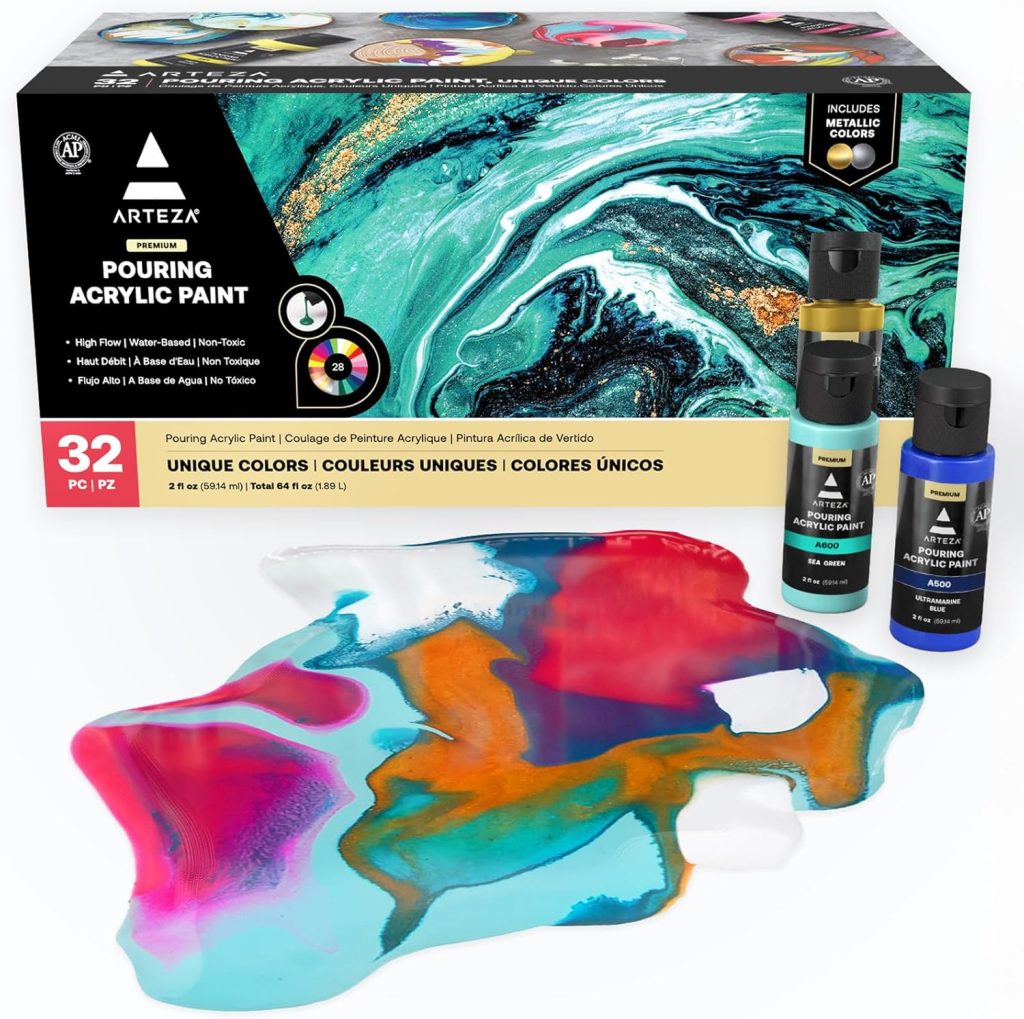
Many people think cheap paint is always harmful. That’s not true! Some less expensive brands like Arteza and Amsterdam work really great.
If you keep them closed tight, cheap and expensive paints last a long time. But the better paints stay wet longer when you’re mixing colors. That can be super helpful.
One last thing – I tell my new students to start with the less expensive paints. Everyone makes mistakes when learning; it feels much better to make those mistakes with cheaper paint!
Remember, sometimes spending a bit more on paint can save money later. You won’t need to use it as much, and your art will look better longer. But I still keep both kinds in my studio. I pick the paint that’s right for what I’m making, not just based on price.
Top Budget-Friendly Acrylic Paint Brands for Beginners
Let me share my experience with some affordable paints I’ve used while teaching art. Unlike many cheap options, Arteza paints impressed me; they’re thick and vibrant. I once left them open overnight, and to my surprise, they stayed wet long enough for me to mix colors easily. Perfect for landscapes!
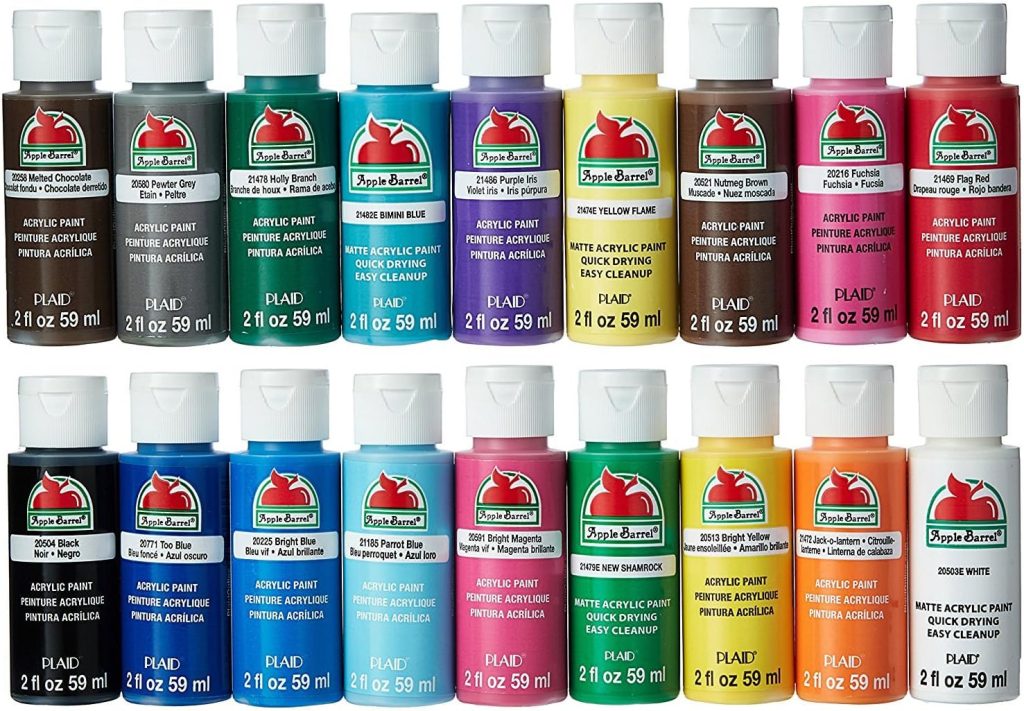
Apple Barrel paints stick really well to wood. But here’s the funny thing – yellow and pink colors need lots of coats to look good. Dark colors like black and purple work much better. If you’re using these paints, put down a white coat first. It helps a lot!
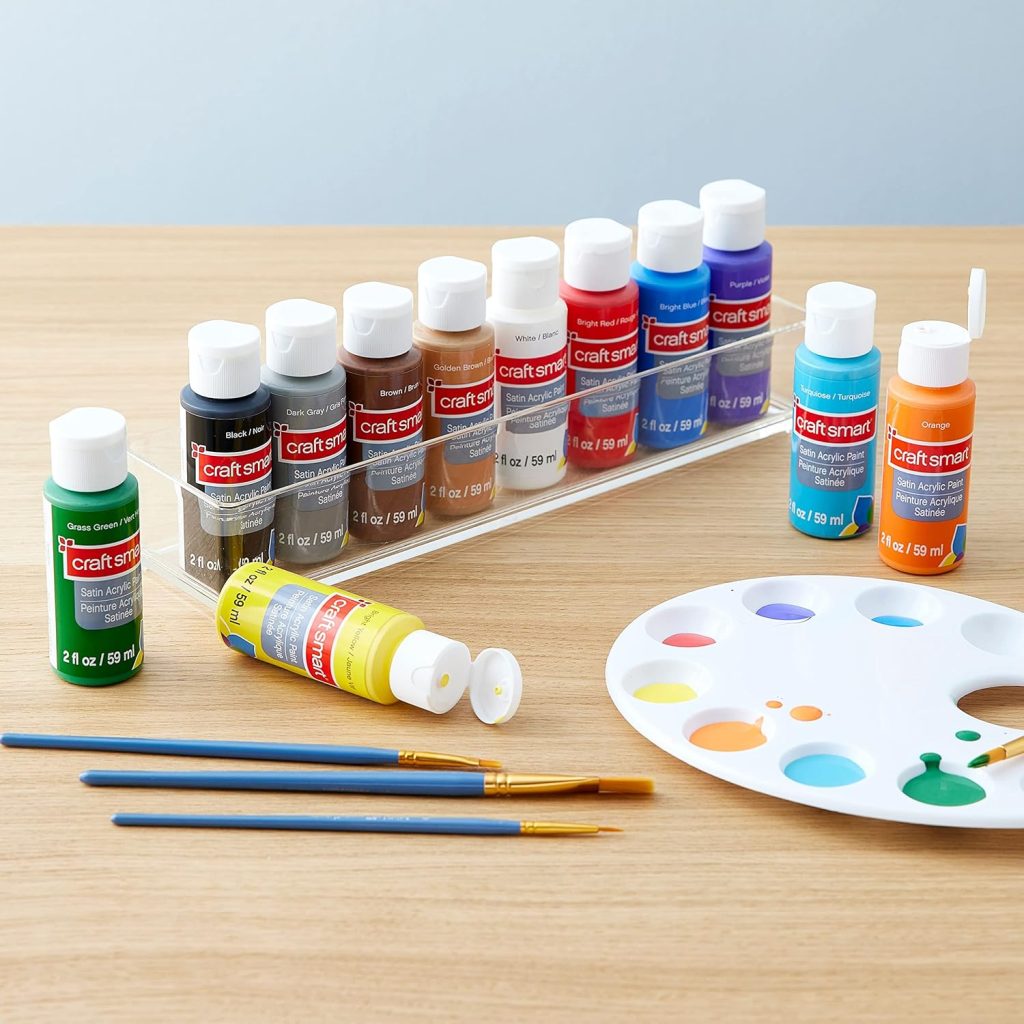
Craft Smart paints are great when you need lots of paint. After two years, I found an old bottle in my closet – it still worked perfectly! These paints are thin, making them super easy to mix.
I accidentally found a cool trick: Add a tiny bit of paint extender to Craft Smart paint. It makes the paint stretch and bend better!
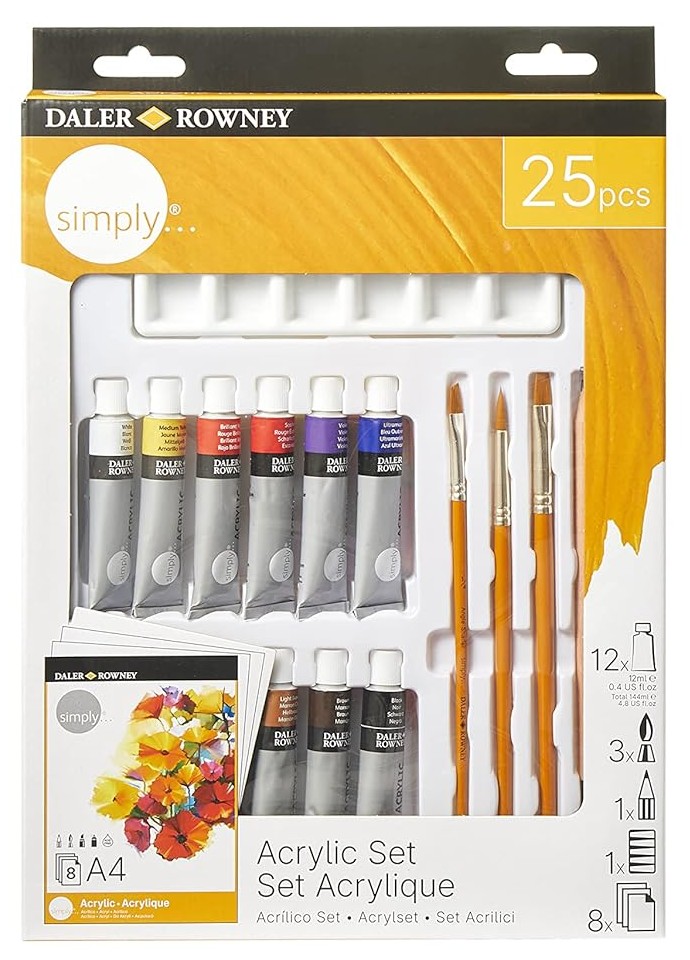
Last but not least, there’s Daler Rowney Simply. I left some paint in the sun for weeks to test it. The colors stayed bright longer than other cheap paints. My students even used these paints outside, and they held up great in the weather!
Remember, trying it yourself is the best way to know if you’ll like paint. Each of these paints is good for different things. And the best part? They won’t empty your wallet!
Mid-Range Affordable Acrylic Options
Let me tell you about some excellent paints that won’t break your bank. These are better than the cheap ones but not as pricey as the fancy stuff artists use.
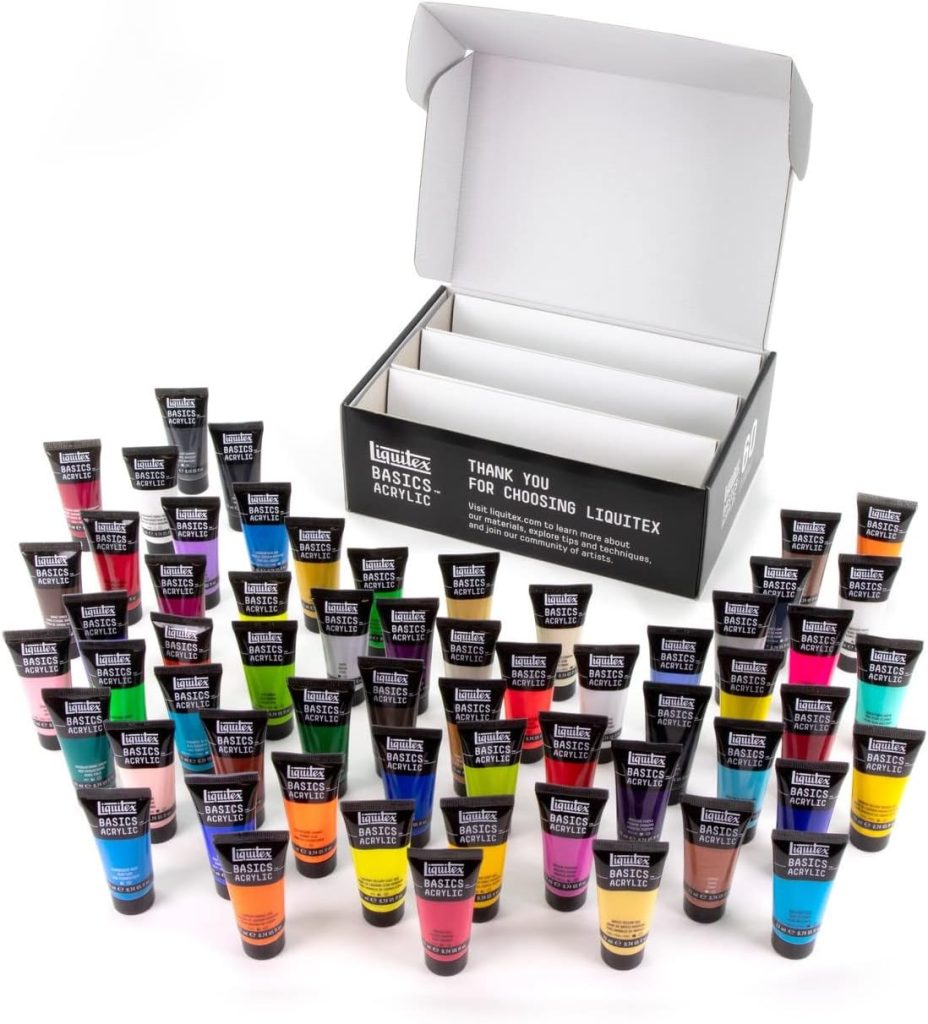
I teach art, and my students love these paintings. At first, I wasn’t sure about Liquitex Basics. But wow – did they prove me wrong! The paint is thick and creamy, which is just right for learning how to paint. The colors are bright and mix together beautifully.
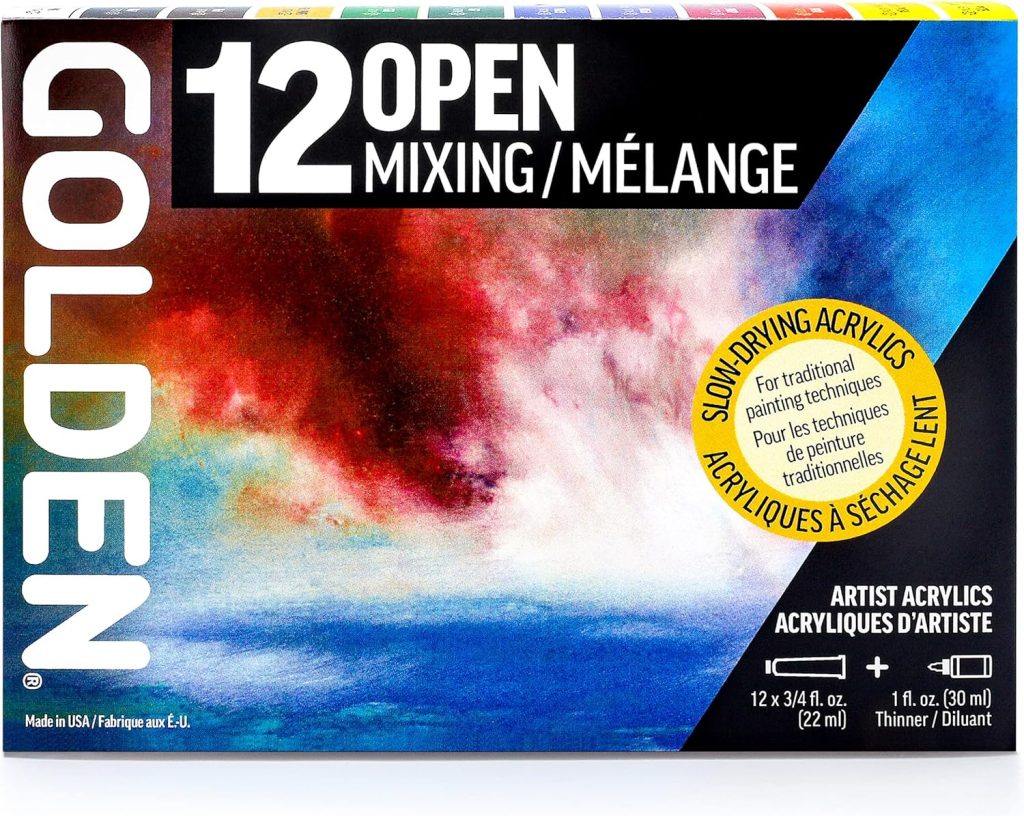
Here’s a funny story about Golden’s Open Acrylics. I was painting outside on a hot day, and my regular paint kept drying too fast. These special paints saved the day! They stay wet longer, so you have time to blend colors. They cost more, but you don’t need as much paint to make something beautiful.
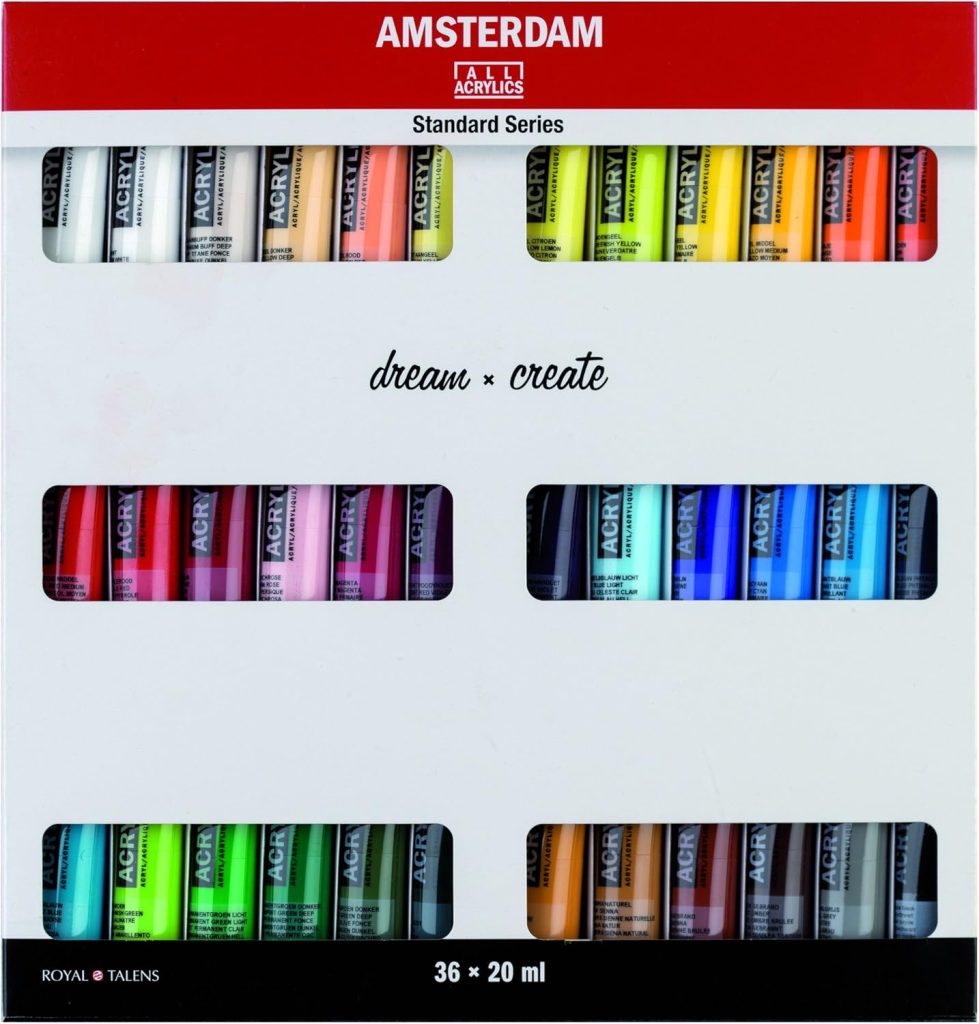
Amsterdam Standard paints are my favorite to tell students about. Their white and yellow paints work super well – that’s rare for cheaper paints! I’m such a paint nerd that I made a list comparing prices. Amsterdam costs about a dollar per bottle when you buy a set. Liquitex costs a bit more, and Golden costs the most.
But I learned the hard way: Sometimes cheaper isn’t better. I once painted a big picture with cheap paint. I had to paint it three times to make it look good! With better paint, I only needed to paint once.
After two years, I even found an old tube of Amsterdam paint in my drawer. I shook it up, and it still worked perfectly! These paints also work great with all kinds of brushes. You can make your paint thick or thin, depending on what you’re painting.
These paints might cost more than the cheap ones, but they’re worth every penny. They help you make beautiful art without spending too much money.
Maximizing Quality on a Budget
Let me share some money-saving paint tricks I learned while teaching art. I’ve found ways to make cheap paintwork really well!
Here’s something that shocked me – you don’t need to buy every color under the sun! I once bought a massive set of student paints but later found out that having just a few good colors works better. Get one good white paint and maybe 4 or 5 other basic colors. You can mix them to make any color you want!
Want to know a cool trick? Add a tiny bit of paint extender to cheap paint to make it work better. But be careful – I once added too much and made a goopy mess. Oops!
Here’s how I keep my paint from drying out: I put it in squeeze bottles like restaurants use for ketchup. It works like magic! The paint stays fresh longer, and it’s easier to control how much you use.
I learned something the hard way when a student’s painting started peeling off. Always paint on a clean surface! Even cheap paint works better when you prepare your surface right.
Here’s a fun tip about painting with cheap paint: Work on several paintings simultaneously. While one is drying, you can work on another. When you go back to the first one, it’s ready for another coat!
You don’t need to spend a lot on paint! I use good paint for light colors like white, but cheaper paint works just fine for dark colors. And here’s a tip: shake your cheap paint well before using it—it makes a big difference!
Also, you don’t need to buy expensive brushes. Medium-priced brushes work better with cheaper paint, and they’re easier to clean, too.
Remember, great art doesn’t come from fancy tools but from knowing how to use what you have. My students create amazing pieces with affordable supplies all the time!
Affordable Paint Sets and Bulk Buying Options
Let me tell you how I save money buying paint for my art class. I’ve learned some clever tricks over the years!
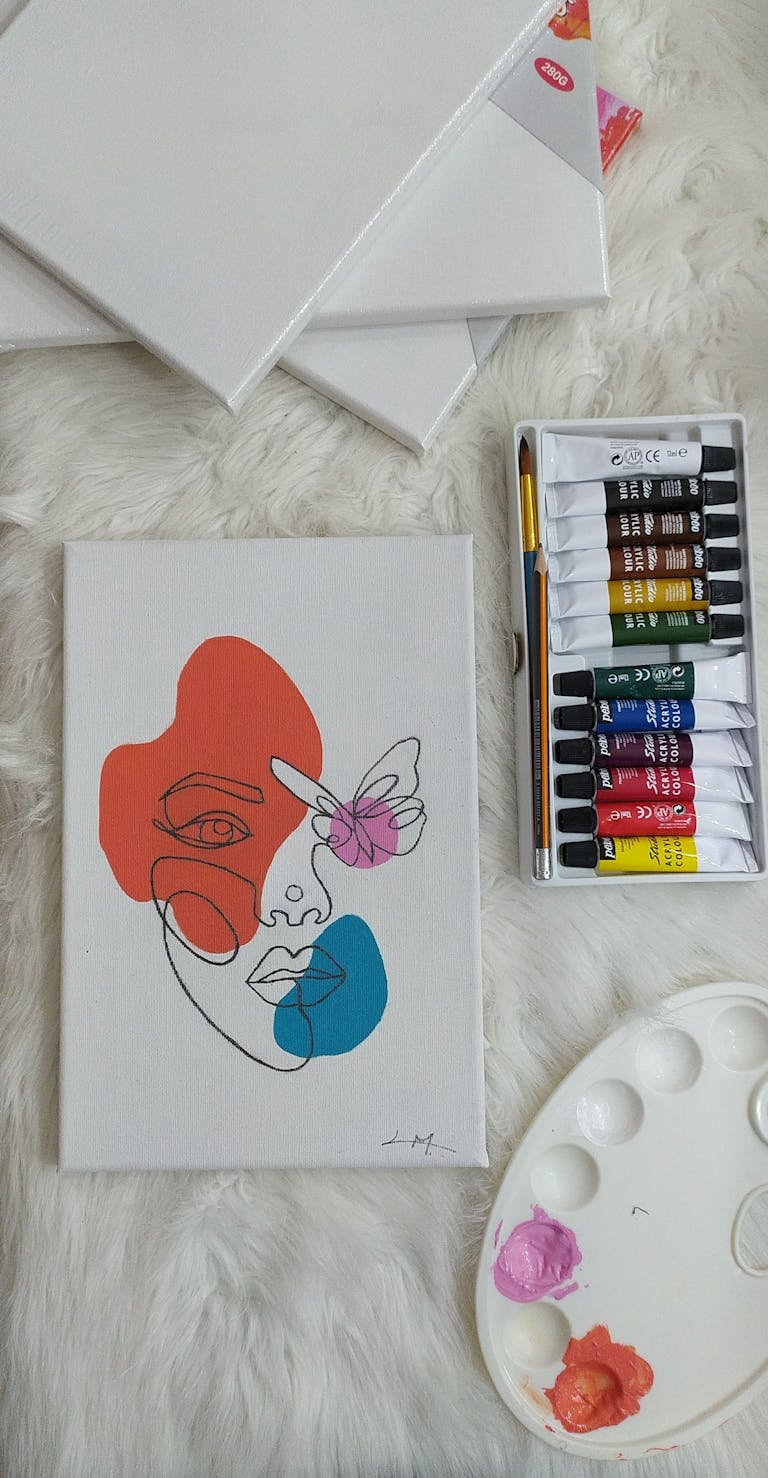
First, let’s talk about paint sets. You might think bigger is better, but that’s not always true. Arteza‘s set of 22 colors is really good for the price. But those vast boxes with 48 colors? They often aren’t as good.
Here’s a money-saving secret: Buy paint when stores have big sales. The best times are when kids go back to school and right after Christmas. Last year, I found paint for 60% off on Black Friday. What a deal!
Want to know something cool about buying dark colors like black and brown? The cheap brands work just fine! But for white and yellow, you might want to spend a little more money. These colors need to be stronger to look good.
I’m a paint nerd – I keep track of everything in a list. I write down when paint goes on sale and how long it lasts. Paint stays good for about 2-3 years if stored correctly. So I never bought more than I could use then, even if there was a good deal.
Here’s a funny thing I learned the hard way: Sometimes, buying the cheapest paint costs more in the end! You have to use more of it to make your art look good. It’s better to spend a little more on paint that covers better.
Look for stores clearing old stock for great deals, but check the bottle dates first. Finding paint bargains is like a treasure hunt—unexpected spots can have the best finds!
Storage and Longevity Tips
I’d love to share some advice on keeping paint fresh! I’ve learned some lessons the hard way, but I’ve learned a few key tips.
One big mistake I used to make was storing my paint tubes upright. Doing this can cause the paint to separate and become a mess. Now, I simply lay the tubes flat in plastic boxes, and it really does the trick! This slight change has made a big difference in keeping my paint in good shape.
Want to hear about my most significant oops moment? I once left expensive paint out all night without a cover. What a waste! Now, I use a unique palette with a tight lid. Even cheap paint lasts longer when you keep it covered up.
I learned that paint doesn’t do well in extreme temperatures. After keeping it in my hot garage one summer and ending up with stringy, melted cheese-like paint, I now store it indoors where it’s cool.
I repurpose old takeout containers for mixed paints to save money, but I always label them clearly! Once, I accidentally grabbed purple paint, thinking it was black, and my students had a good laugh about it.
Want to know my favorite way to store paint? I put it in squeeze bottles, like ketchup bottles. It’s easier to use, and the paint doesn’t get crusty around the top. Plus, you can control how much paint comes out.
Glass jam jars are great for storing paint! Use ones with good lids to keep the paint fresh for weeks. I mark the jars to check if the paint is drying up.
The key takeaway? Good paint care saves money. Even inexpensive paint can last a long time if you store it correctly!
Final Thoughts
You don’t have to spend much money to create beautiful art. Some cheaper paints can be just as effective as more expensive options.
Think of paint like shoes. You don’t need the most expensive pair to walk comfortably. The same goes for paint – you need to find the right fit.
The trick is knowing which affordable paints to buy. Once you find the good ones, you’ll be amazed at what you can create! I’ve seen students make incredible art with paint that costs less than their lunch.
Remember – it’s not about how much you spend. It’s about how you use what you have. Now, get out there and make some art!
By Antonio Limongi MA EdS
Limongi, Owner of Antonio Limongi Fine Art LLC, is a Master Painter, Portrait Artist, and Art Instructor with 20 years of experience. He reports on issues in Fine Art Education, Creating Art, Investing in Art, and Selling Fine Art. (some links above are from our affiliate partners)