Budget-Friendly Paint Options: Complete Oil vs Acrylic Guide for Artists
Art doesn’t have to be expensive. A recent study showed that beginners often spend way too much on supplies – about 40% more than they need to! As someone who’s helped hundreds of students start their artistic journey, I’ve learned the real secret: smart shopping.
Want to create fantastic art without emptying your wallet? Listen up. Oil or acrylic – both can be affordable if you know the tricks. Quality doesn’t always mean expensive. Sometimes, it’s about knowing exactly where to spend your money.
Student-grade supplies are your best friend. These paints and brushes are designed for learning, and they won’t cost a fortune. Start small. Grab a basic set of colors. Learn the basics. Experiment. Your first paintings might not be masterpieces, but they’ll be filled with something more important than perfection – passion.
Pro tip: Buy versatile colors. You don’t need every shade under the sun. Grab white, black, and a few primary colors. Mix them. Create your own unique palette. Each color you mix is a tiny adventure.
Watch for sales at art supply stores. Sign up for newsletters. Follow social media accounts. Discounts happen more often than you think. Some stores offer student discounts – even if you’re not in school, online classes count!
The most important investment? Your creativity. A $5 brush and a heart full of imagination can create something more beautiful than expensive supplies gathering dust.
Remember, every great artist started exactly where you are right now. Curious. A little nervous. Ready to make something amazing. Your canvas is waiting. Your story is about to begin.
Understanding Student-Grade vs Professional Paint
Listen up, artists! Choosing the right paint can make or break your artwork – and your wallet. I learned this lesson the hard way after years of teaching and painting. Cheap isn’t always better, but professional doesn’t always mean necessary.
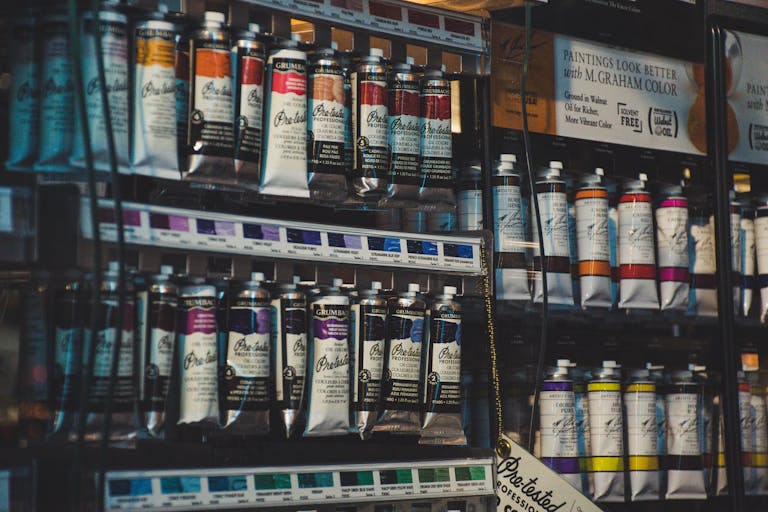
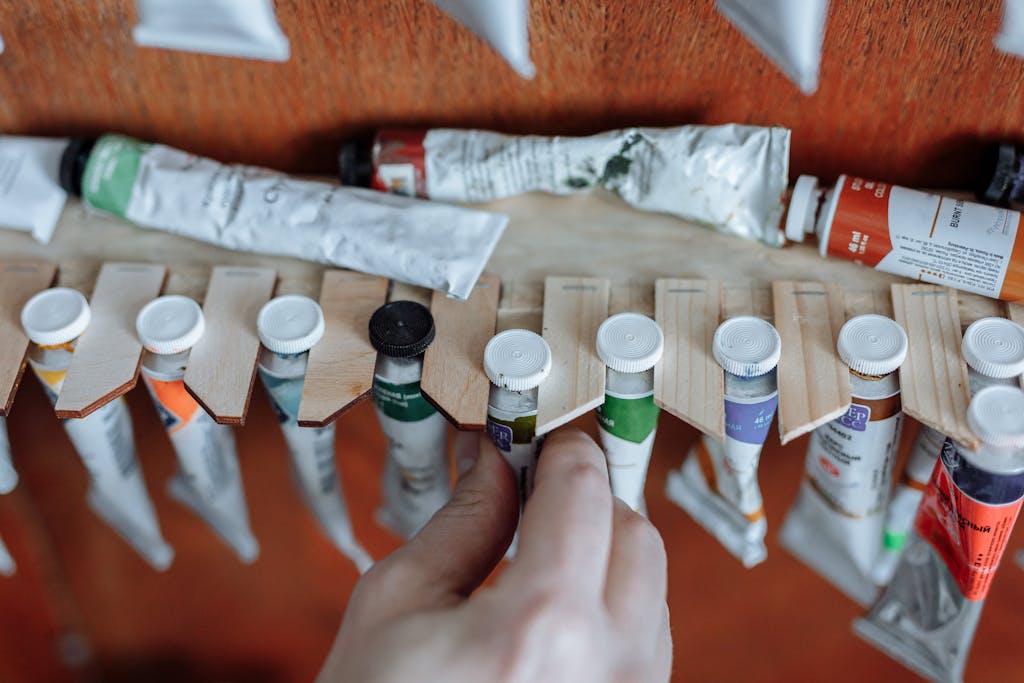
Student-grade paints are perfect for learning. They have less pigment, which means more coats and less vibrant colors. But here’s the secret: some budget brands are surprisingly good. Liquitex Basics and Amsterdam Student can be total game-changers for beginners.
Want to save money? Mix it up! Use student-grade paints for big background areas and practice. Save those professional-grade paints for final details and important colors. This trick can cut your supply costs by nearly half.
Some of the best student-grade brands:
- Acrylics: Liquitex Basics, Amsterdam Student
- Oils: Winsor & Newton Winton, Gamblin 1980
The pigment is like magic for artists. Professional paints might seem expensive, but here’s the secret: you need way less of them. A small dab of professional paint can do the work of an entire tube of student-grade paint. Think of it like cooking – sometimes, a pinch of a high-quality spice is better than a mountain of bland seasoning. Your art deserves the good stuff, but that doesn’t mean breaking the bank. Smart artists know how to make every drop count.
The most important thing? Don’t let expensive supplies stop you from creating. Your creativity matters more than fancy paint. Start with what you can afford. Learn. Experiment. Every great artist started right where you are now.
Essential Budget Supplies for Both Mediums
Listen up, artists! Building an art kit doesn’t have to cost a fortune. I’ve helped countless students start their creative journey without breaking the bank. The secret? Less is more.
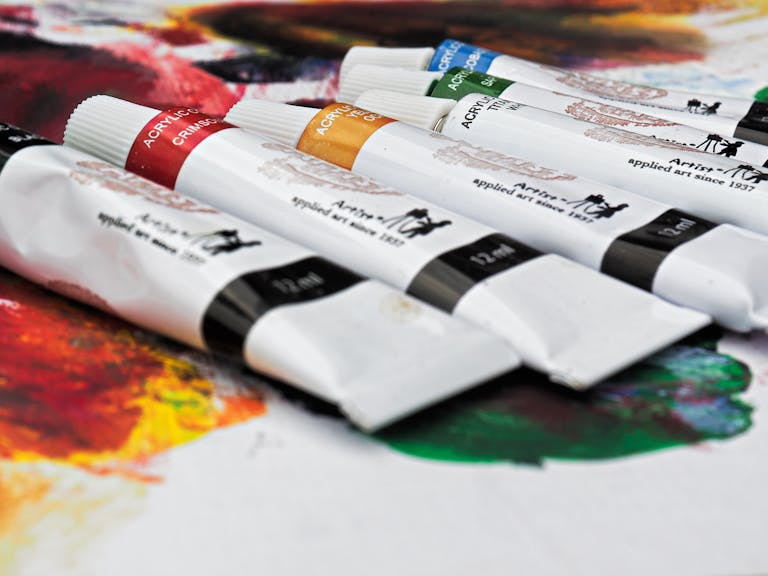
For acrylics, you need just a few basics:
– 5 basic colors
– 3 synthetic brushes
– A simple palette
– Canvas panels
– A water container
Total cost? About $50. Seriously.
Pro tip: Hardware stores are artist’s best friends. Chip brushes cost just $2 and work great for big areas. Old ceramic tiles make perfect palettes. Hardboard panels are way cheaper than fancy canvases.
Want to save even more? Time your purchases. Art supply stores have huge sales during back-to-school season and January. You can save 40-50% just by being smart about when you buy.
Creative Substitutions and Cost-Cutting Tips
Listen up, artists! Creating amazing art doesn’t require emptying your wallet. I’ve discovered some wild tricks for saving money after years of teaching and creating.
Forget those fancy $20 painting knives. Old gift cards work just as well! They’re flexible and cheap, but when do they get messy? Toss them and grab another. Deli containers make perfect paint storage – way cheaper than those overpriced art store containers. Want to clean brushes? Mason jars with window screens work magic. Murphy’s Oil Soap cleans just as well as expensive artist soaps.
Your kitchen is an art supply store in disguise. Coffee filters instead of paper towels. Yogurt containers for water cups. Old toothbrushes for creating wild textures. Bubble wrap for amazing patterns. Who knew?
Surface preparation doesn’t need to be expensive. Duck cloth from fabric stores. Cardboard sealed with gesso. Old cabinet doors. MDF board from hardware stores. Creativity doesn’t care about fancy materials.
Storage solutions? PVC pipes for brushes. Fishing tackle boxes for paints. Old shoe boxes and cookie tins. An easel made from a binder clip, command hooks, and foam board costs just $8!
The real secret? It’s not about having fancy supplies. Famous artists throughout history created masterpieces with basic tools. Understanding how to use what you have – that’s the true art.
Strategic Shopping Guide
Listen up, artists! Saving money on art supplies is an art form all its own. I’ve learned every trick in the book after years of hunting down the best deals.
Timing is everything. The best times to shop:
- August/September (Back-to-School): 40-50% off basics
- January (Inventory clearance): 30-40% off premium supplies
- Black Friday: Bulk supply deals
- End of semester: College area sales
Not everything is worth buying in bulk. Smart bulk buys:
- Gesso
- White paint
- Canvas rolls
- Basic brushes
- Cleaning supplies
Online versus in-store? Here’s the secret:
- Online is best for heavy items, bulk basics, and brand comparisons
- In-store wins for testing products and emergency supplies
Hidden discounts are everywhere:
- Student ID discounts
- Teacher discounts
- Loyalty programs
- Quantity breaks
Pro tip: Group ordering with other artists can save 25-30%. Follow art supply stores on social media for flash sales. Call in catalog orders – stores often price match or offer better deals.
The real magic? It’s not about the lowest price. It’s about getting the most value for every dollar. Track prices. Be patient. Get creative.
Your art supplies are tools, not treasures. Spend smart, create boldly.
Maximizing Your Paint Investment
Paint is precious, and I learned that the hard way. One $30 tube of cerulean blue dried out because I didn’t seal it properly. Ouch! But those mistakes taught me everything about keeping art supplies alive.
Acrylics are tricky. Store tubes upside down. Use a spray bottle to keep the paint moist. Oils? Store your palette in the freezer between painting sessions. Genius!
Paint mixing is where most artists waste money. Here’s the secret: mix bigger batches of main colors. Store them in small containers. Label everything. Use tiny amounts on your working palette – think pea-sized for acrylics.
Brush care is like caring for a pet. Clean them immediately after use. Use special soap. Store them carefully. One pro tip: a mix of olive oil and gentle soap keeps natural brushes happy.
Temperature matters. Keep paints at room temperature. Extreme heat or cold can destroy your supplies. A marble in your solvent jar? It cleans brushes better and keeps your jar cleaner.
The real magic? Taking a few extra minutes to care for your supplies. It saves money and ensures your tools are ready when inspiration strikes.
Your art supplies are more than just tools – they’re your creative partners. Treat them well, and they’ll help you create something amazing.
Let’s Wrap It Up
Art isn’t about how much money you spend – it’s about passion and imagination. You don’t need a fortune to start creating beautiful paintings. Begin with a simple student-grade paint set. Focus on learning, not buying every fancy supply. Start small and smart.
Pick up some basic colors. Learn how to mix them. Practice with affordable brushes. Your creativity matters more than expensive tools. A few good brushes, some basic paint, and a whole lot of imagination – that’s all you really need.
Want to save money? Buy student-grade supplies. Experiment. Learn techniques. As you grow, invest in better materials. But remember, the most important supply is your creativity.
Your artistic journey starts right now. Don’t wait. Don’t worry about having the “perfect” supplies. Grab those brushes and create something wonderful. Your art is waiting to be born.